[fusion_builder_container hundred_percent=”no” hundred_percent_height=”no” hundred_percent_height_scroll=”no” hundred_percent_height_center_content=”yes” equal_height_columns=”no” hide_on_mobile=”small-visibility,medium-visibility,large-visibility” status=”published” background_position=”center center” background_repeat=”no-repeat” fade=”no” background_parallax=”none” enable_mobile=”no” parallax_speed=”0.3″ video_aspect_ratio=”16:9″ video_loop=”yes” video_mute=”yes” border_style=”solid” type=”legacy” admin_toggled=”no”][fusion_builder_row][fusion_builder_column type=”1_1″ type=”1_1″ layout=”1_1″ center_content=”no” target=”_self” hide_on_mobile=”small-visibility,medium-visibility,large-visibility” background_position=”left top” background_repeat=”no-repeat” hover_type=”none” border_style=”solid” border_position=”all” box_shadow=”no” box_shadow_blur=”0″ box_shadow_spread=”0″ animation_direction=”left” animation_speed=”0.3″ first=”true” last=”true” border_sizes_top=”0″ border_sizes_bottom=”0″ border_sizes_left=”0″ border_sizes_right=”0″ min_height=”” link=””][fusion_text rule_style=”default” hide_on_mobile=”small-visibility,medium-visibility,large-visibility” animation_direction=”left” animation_speed=”0.3″]
Our organizing initiatives
Click on the titles and to learn more about ECON’s organizing initiatives.
[/fusion_text][fusion_separator style_type=”single solid” hide_on_mobile=”small-visibility,medium-visibility,large-visibility” sep_color=”var(–awb-custom_color_3)” bottom_margin=”50″ width=”206px” alignment=”center” /][/fusion_builder_column][/fusion_builder_row][/fusion_builder_container][fusion_builder_container hundred_percent=”no” hundred_percent_height=”no” hundred_percent_height_scroll=”no” hundred_percent_height_center_content=”yes” equal_height_columns=”no” hide_on_mobile=”small-visibility,medium-visibility,large-visibility” status=”published” border_style=”solid” gradient_start_position=”0″ gradient_end_position=”100″ gradient_type=”linear” radial_direction=”center center” linear_angle=”180″ background_position=”center center” background_repeat=”no-repeat” fade=”no” background_parallax=”none” enable_mobile=”no” parallax_speed=”0.3″ background_blend_mode=”none” video_aspect_ratio=”16:9″ video_loop=”yes” video_mute=”yes” filter_hue=”0″ filter_saturation=”100″ filter_brightness=”100″ filter_contrast=”100″ filter_invert=”0″ filter_sepia=”0″ filter_opacity=”100″ filter_blur=”0″ filter_hue_hover=”0″ filter_saturation_hover=”100″ filter_brightness_hover=”100″ filter_contrast_hover=”100″ filter_invert_hover=”0″ filter_sepia_hover=”0″ filter_opacity_hover=”100″ filter_blur_hover=”0″ type=”legacy”][fusion_builder_row][fusion_builder_column type=”1_1″ type=”1_1″ layout=”1_1″ center_content=”no” target=”_self” hide_on_mobile=”small-visibility,medium-visibility,large-visibility” hover_type=”none” border_style=”solid” border_position=”all” box_shadow=”no” box_shadow_blur=”0″ box_shadow_spread=”0″ background_type=”single” gradient_start_position=”0″ gradient_end_position=”100″ gradient_type=”linear” radial_direction=”center center” linear_angle=”180″ background_position=”left top” background_repeat=”no-repeat” background_blend_mode=”none” animation_direction=”left” animation_speed=”0.3″ filter_type=”regular” filter_hue=”0″ filter_saturation=”100″ filter_brightness=”100″ filter_contrast=”100″ filter_invert=”0″ filter_sepia=”0″ filter_opacity=”100″ filter_blur=”0″ filter_hue_hover=”0″ filter_saturation_hover=”100″ filter_brightness_hover=”100″ filter_contrast_hover=”100″ filter_invert_hover=”0″ filter_sepia_hover=”0″ filter_opacity_hover=”100″ filter_blur_hover=”0″ last=”true” border_sizes_top=”0″ border_sizes_bottom=”0″ border_sizes_left=”0″ border_sizes_right=”0″ first=”true” min_height=”” link=””][fusion_tabs design=”clean” layout=”vertical” justified=”yes” backgroundcolor=”var(–awb-custom_color_1)” inactivecolor=”var(–awb-custom_color_3)” hide_on_mobile=”small-visibility,medium-visibility,large-visibility”][fusion_tab title=”Organizing for a Just Transition”]
Organizing Frontline Communities for a Just Transition
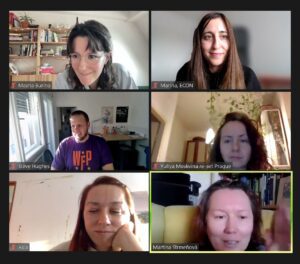
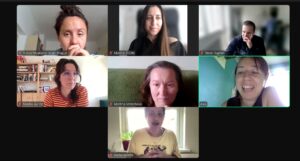
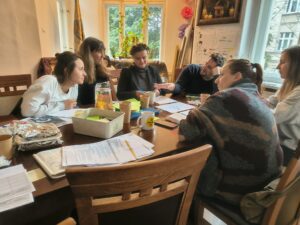
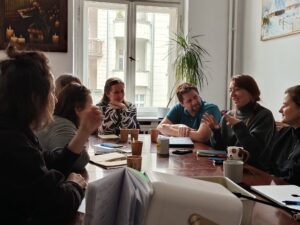
This project proposes to test innovative and transformative ways to engage and organize frontline communities affected by climate change and inequality lead their own transformation and participate in democratic processes for a Just transition. The rationale is that frontline communities that are the most affected by the impacts of climate change and systemic injustice are often not meaningfully engaged in the Climate Justice Movement and in discourses on what a transition to a sustainable society should look like. In particular, in Central and Eastern decision makers are often voting at EU level in opposition to European climate policies and will continue to do so without a strong demand for a just transition from their citizens. This calls for a need to work in these
countries to build bottom-up power of frontline communities to organize for a Just Transition locally and at European level. We will use community organizing as a strategy for bottom-up systemic change and power shift.
PERIOD
2023-2024
PARTNERS
ECON, CKO/Slovakia, RE-SET/Czech Republic, Common Thing Foundation/Poland.
TARGET GROUP
Frontline communities and groups, ECON member organisations, community organizers, climate justice movements, citizens, governments.
OBJECTIVES
- Increase the democratic participation of frontline communities affected by climate change and inequality and build the capacity of frontline groups to organize for a Just Transition.
- Empower frontline groups and movements working with affected communities to organize locally-rooted, internationally coordinated organizing campaigns for a Just Transition.
- Strengthen ECON’s network, capacity, and infrastructure to convene and coordinate frontline groups and members to learn from each other local campaigns and lead a transnational campaign.
KEY ACTIVITIES
1.Empower frontline groups in 3 CEE countries to organize for a Just Transition
Conduct community organizing process in frontline communities in Slovakia, Poland and Czech Republic, building relationships, supporting the development of their organizing and leadership capacity and facilitating collective analysis, and campaigning for common issues.
2.Develop capacity to organize for a Just Transition in Europe
Organizing curriculum and international training with climate justice organizers and frontline group leaders with local trainings in in Slovakia, Poland and Czech Republic.
3. Network building, learning exchange and transnational campaign for Just Transition.
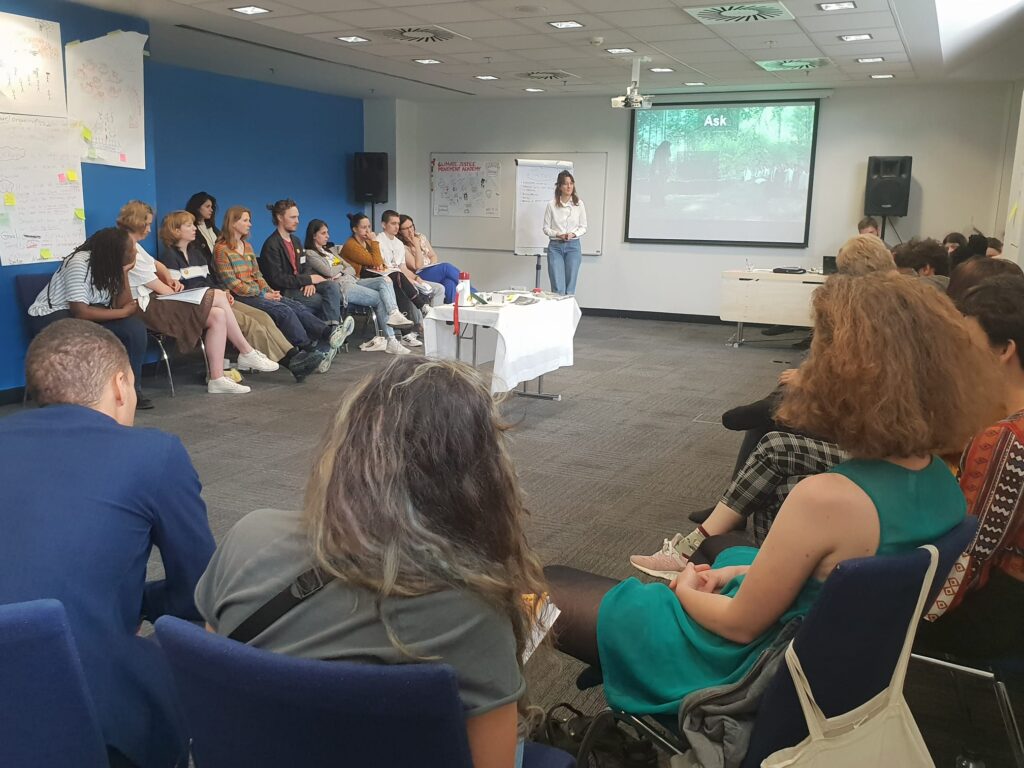
Strengthening ECON’s network, capacity and infrastructure to coordinate and facilitate learning exchange across frontline groups, develop organizing capacity, alliance building, and transnational campaign strategy. Open spaces for frontline groups to meaningfully engage in the Climate Justice Movement in Europe and be heard at local, national and EU levels.
EXPECTED OUTCOMES
- Frontline groups of about each in 3 countries formed and capacity built to lead organizing campaigns for a Just Transition. .
- Organizers and local leaders join the European Climate Justice Organizing team and engage in international meetings, organizing trainings, learning exchanges, strategic planning.
- Frontline groups leading a transnationally coordinated campaign for a Just Transition in Europe and connected through ECON’s expanded network with the Climate Justice Movement in Europe.
More information
E-mail: organizing.europe@gmail.com
Get in touch
If you are interested in being part of the programme and in the process, please contact us at organizing.europe@gmail.com[/fusion_tab][fusion_tab title=”Movement Learning Catalyst”]
Movement Learning Catalyst
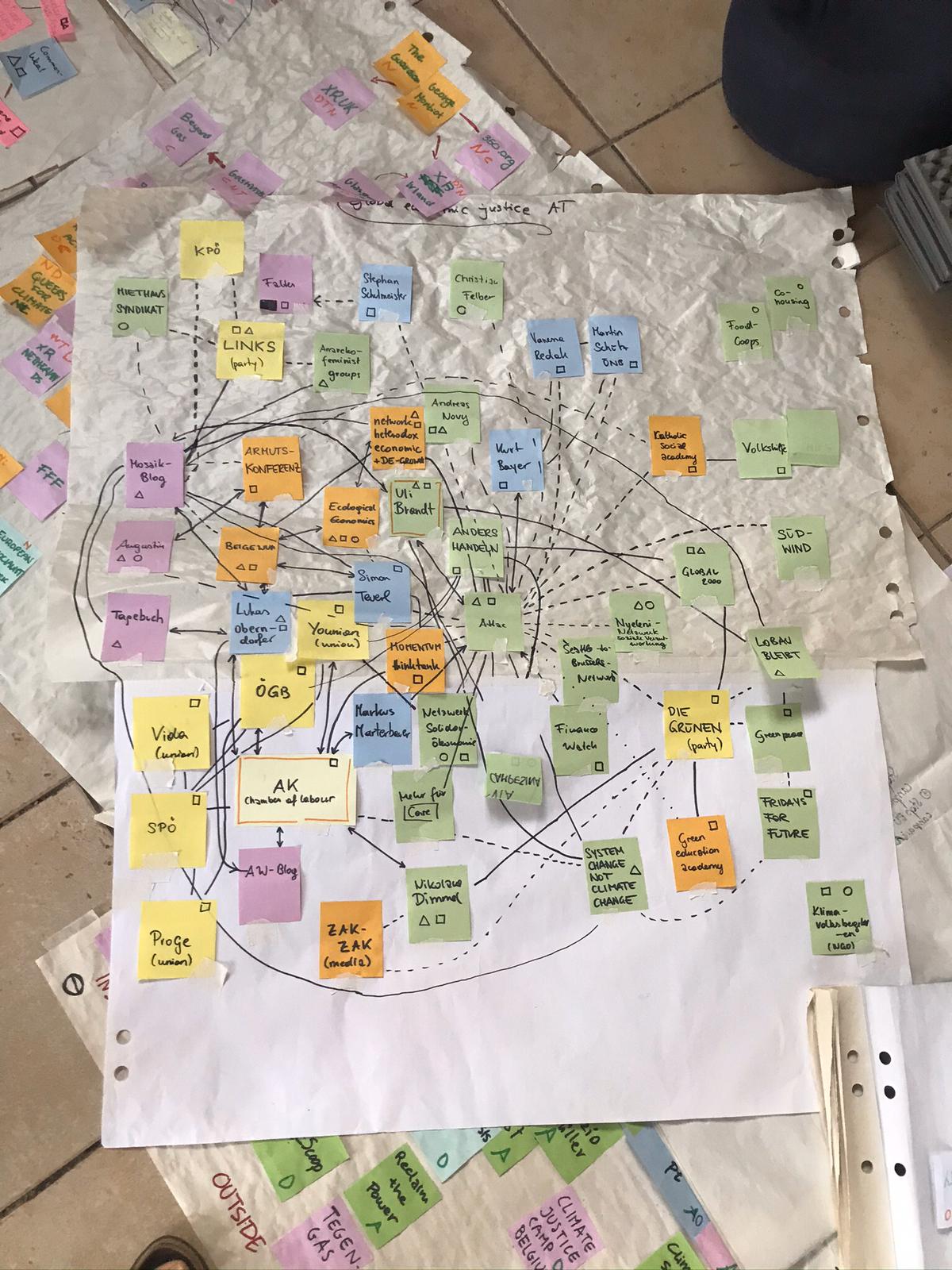
A training and action learning programme strengthening the ecology of social movements and enhancing capacity for transversal and transnational organising. This programme aims to respond to the key challenges movements and organisations are facing in Europe, from fragmentation, persistent divisions within and between movements, and a lack of movement capacity for longer-term and coherent strategy. It aims to nurture the interconnected movements and responsive strategies needed to challenge the interlocking systems of oppression we face today. Combining high quality training, an action learning framework, and cross organisational and movement networking, the programme will enable movements to find new and transformative ways of working across our differences, develop competencies for transversal and transnational organizing to connect across issues, communities, and socio-political cultures – supporting the building of the kinds of impactful social movement alliances required to achieve the depth of structural transformation we need today.
Objectives:
-
Bring together experienced trainers and organiser/activists to work on key movement building themes and issues using a well-crafted framework for ongoing action learning, coaching, and peer-to-peer inquiry
-
Develop collective capacity for long-term strategic projects that can respond to crisis and change
-
Build relationships within the learning space across organisations and movements, seeding new transversal and transnational initiatives
-
Embed action-reflection learning within movement practices in a well-crafted framework of collaborative enquiry.
Key themes
The programme is more than a training. It is designed as a transversal movement building project – connecting different struggles and communities across issues, strategic approaches, and localities. The course places action-learning, deep ongoing reflection, and building solidarity-based relationships at its core.
-
Transnational organizing and movement building across geographies, countries, cultures.
-
Transversal organizing and movement building across different movement issues and organising traditions
-
Social movements and social change: Understanding movement histories, case studies, political analysis, reflection and learning in movements
-
Solidarity and alliance building between organisations and movements: Intersectional practices, anti-oppression, psycho-social resilience and sustainability
-
Strategy in complex and changing contexts: Strategy and complexity, power analysis, strategic orientations to crisis.
Learning activities
This programme will be designed with you and tailored to your context and needs. It starts from the challenges your movement or organisation is facing related to transversal and/or transnational organising in a specific project or initiative. You will be able to select among multiple learning components and resources online and offline to support your learning needs. These include:
-
Action Learning Accompaniment: We will provide a structured action-learning process including elements of research support, action-reflection circles, and coaching.
-
On-line Modular Curriculum and Seminars: Online seminars or workshops on different topics with live and asynchronous elements. You could select the ones relevant to your needs.
-
International Residential Trainings: We will offer in-person residential trainings connected to Ulex Project’s Ecology of Social Movements training.
-
Regional Gatherings: We will offer in-person learning opportunities through short regional gatherings based on the geographical spread of participants.
-
Peer-to-Peer Learning Circles: We will create circles of 5-6 participants and provide a structured space for ongoing inquiry and reflection into live issues and current practice using a peer coaching method and a forum space.
-
Visits: We will support participants to visit each other in different settings to get a clearer sense of diverse working contexts and cultures.
-
Personal Mentoring: We’ll offer one-to-one mentoring where requested, with regular check-ins, either in person regionally or virtually.
Who is it for?
The programme is for a group of 40-60 experienced activists, organisers, and trainers based in Europe who have substantial personal history of social movement engagement and experience to share with each other; are embedded in organisations or networks that can benefit from thinking strategically about their place in social movements, and well placed to bring new learning back to their organisations or movements, recognise the importance of developing our capabilities to organise transversally and transnationally, across multiple forms of difference within and between our movementsl care about developing social movement alliances on a scale capable of winning.
Partners:
The programme is run in partnership between the European Community Organising Network, the Ulex Project, the National University of Ireland Maynooth, and European Alternatives. We will draw on the pool of trainers connected with these organisations to provide training elements, action learning facilitation, and accompaniment/mentorship.
Resources:
More resources about this learning programme can be found at https://movementlearning.org/
PERIOD
2022-2024
PARTNERS
European Alternatives/France, Ulex Project/Spain, Maynooth University/Ireland
TARGET GROUP
Adult educators, community educators, and educators trainers, community organizers, and activists.
OBJECTIVES
- To generate knowledge and scalable resources enabling the acquisition of new competences amongst adult educators seeking to motivate and empower civil society and active citizens with skills and perspectives for transnational initiatives.
- To improve the quality and reach of relevant adult education through development of a competence and learning framework, innovative curriculum, and digital learning resources that address the learning needs among active citizens and civil society to better take action across diverse cultures and contexts, and to increase their capacity for transversal and intersectional community led initiatives.
- To innovate learning methods and frameworks that support active democratic citizenship, using peer-learning and communities of practice, and to share these innovations for sector wide impact.
KEY ACTIVITIES
- Research and report on transnational and transversal organizing
- Competence and learning framework
- Modular curriculum and trainer guide
- Digital and blended learning accelerator
- Year-long training programme – Peer2Peer action learning
Get in touch
If you are interested in being part of the programme and in the process, please contact us at organizing.europe@gmail.com
[/fusion_tab][fusion_tab title=”Leaderful Organizing”]
Leaderful Organizing
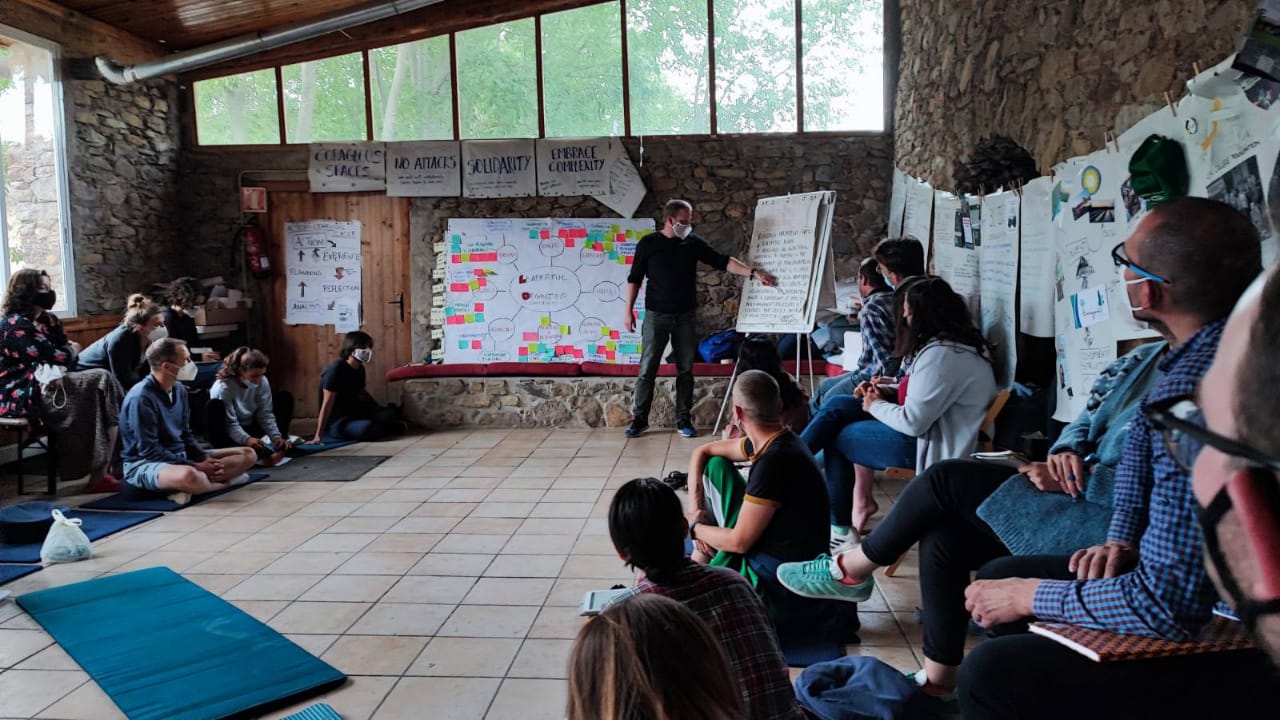
The project on Leaderful Organizing (or ISELE – Innovating Social Entrepreneurial Leadership Education) aims to develop the conceptual frameworks, methods and programmes for more effective leadership training; to develop a competency framework, repository of best practices, a curriculum and training guide to support learning and skill development for ‘leaderful movements” as well as to promote community and active citizenship leadership which is shared, accountable, clear and easy to spread. This project developed the foundational resources for a Europe-wide Programme of Leaderful Organizing to develop the capacity of civil society organisations and movements to respond to a range of key social and ecological challenges.
PERIOD
2020-2023
PARTNERS:
ECON (Slovakia), Ulex Project (Spain/Catalunya), LABO (Belgium), Zelena Akcija (Croatia)
TARGET GROUP
Community organizers, activists, adult educators working within civil society organisations and and social movements.
KEY ACTIVITIES
-
Research Challenges and Review of International Best Practice
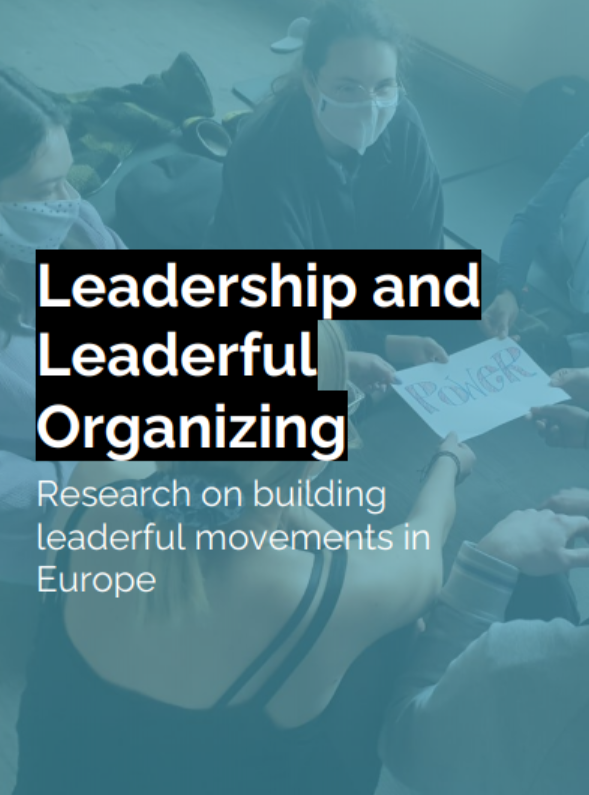
Participatory Action Research to analyse the experience of organisers, educators and organisations on leadership, leaderful organizing and active citizenship to enhance our understanding of the key challenges and opportunities they encounter. We identified the current needs and gaps around the provision of leadership trainings, and wrote a research report with the concepts and practices of leadership and leaderfulness which has informed the development of a curriculum, competency frameworks, and sector wide interventions.
Link: Leadership and Leaderful organizing: Research on building leaderful movements in Europe
-
Educators Toolkit on Leaderful Organizing
We harvested, evaluated and selected a toolkit including the most effective tools and content on Leaderful Organizing. We adapted the design of the tools, models and resources and curated them an online space on the Commons Library accessible to educators and community organisers.
Link: Toolkit on Leaderful Organizing
-
Leaderful Organizing: Competency and Learning Framework
We developed a competence and learning framework to serve as a reference and conceptual framework for adult educators describing the key competences for leaderful organizing and the capabilities needed to put them into practice.
Link: Leaderful Organsing: Competency and Learning Framework
-
Leaderful Organizing Curriculum
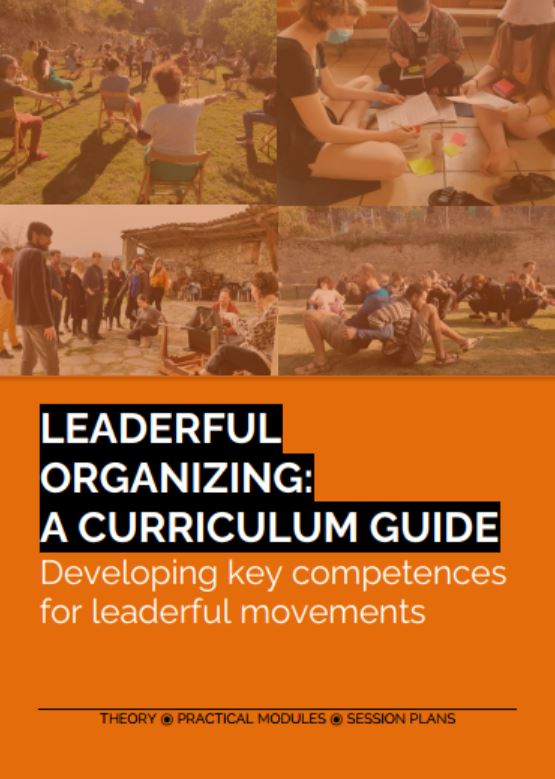
We developed a modular curriculum for educators and trainers to support them in designing training experiences to develop competencies for leaderful organizing. Each module includes example session plans and educational activities and it is designed to enable trainers to adapt the curriculum to a variety of settings suitable to the diverse contexts and needs of learners. The curriculum constitutes the foundation for training programmes on leaderful organizing.
Link: Leaderful Organizing Curriculum
-
Training of Trainers Handbook
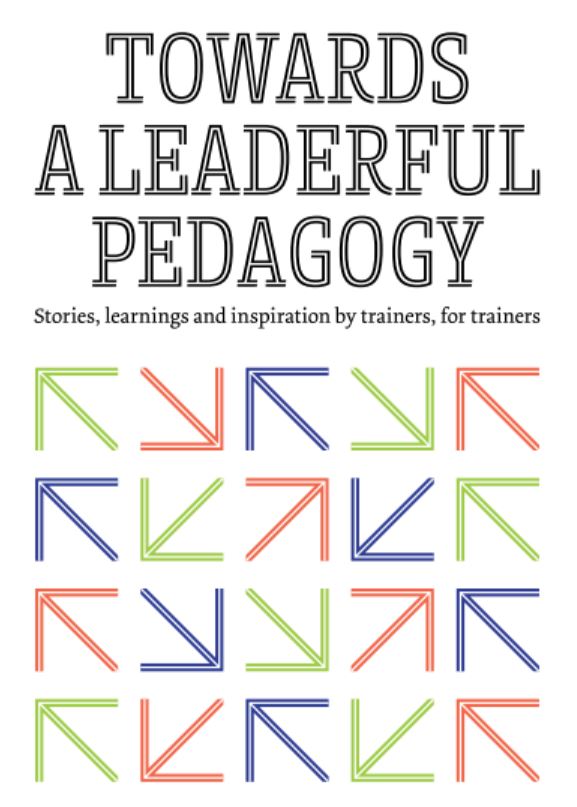
The Training of Trainers Handbook is aimed at increasing the competence of adult educators to provide trainings on leaderful organizing with diverse learners. It explores the concept of “leaderful pedagogy” as a set of training practices and tools for those who want to practice leaderful organizing. It includes how to work with diverse learners, how to design and deliver the training and learning activities. Available in Spanish, Polish, Slovak, Hungarian, Croatian, Catalan, and Dutch.
Link: Handbook – Towards a Leaderful Pedagogy (EN | HU | SK | PL | ES | NL| HR | CAT)
-
Blended Learning Course Resources
We developed an online blended learning space with digital resources and tools to assess individual and organisational competencies for leaderful organizing and take a self-paced online learning journey based with different textual, audio and visual resources on leaderful organizing. This course offers innovative approaches that support flexible learning that could be complemented the in person elements of the curriculum and the handbook.
Link: Blended Learning Course on Leaderful Organizing
More information
E-mail: organizing.europe@gmail.com
Get in touch
If you are interested in being part of the programme and in the process, please contact us at organizing.europe@gmail.com
[/fusion_tab][fusion_tab title=”Organizing in Crisis”]
Organizing in Crisis
Who is it for?
Community Organizers, adult educators, volunteers, and local leaders.
Outcomes
- Curriculum on “Organizing in Crisis”: A modular curriculum to educate organisers, adult educators, volunteers, and local leaders on community organizing adaptable to a variety of contexts, needs of target groups. It will include modules with educational activities to develop digital and face to face organizing competences to respond in moments of crisis. It will build on the insight, expertise and experience of the partners involved and contribute build the capacity for transnational campaigns with community organising at the heart.
- Online simulation: An online simulation game to educate participants on community organizing in an innovative and engaging way. It enables participants to share knowledge and experiences of organizing across contexts, practice strategizing and planning organizing in times of crisis in a simulation and observing long-term effects of organizing processes at local and national levels.
PERIOD
2022-2024
PARTNERS
Common Thing Foundation (Poland), CKO (Slovakia), CeRe (Romania), Serbia on the Move (Serbia), CKA (Hungary), Community Organisers (UK)
Resources
All the resources developed through this project are licensed under a Creative Commons Attribution 4.0 International License.
TARGET GROUP
Community Organizers, adult educators, volunteers, and local leaders.
OBJECTIVES:
- Enhancing competences of adult educators to organizing disadvantaged communities in times of crisis
- Strengthening network and know-how of partners supporting vulnerable groups and communities through in person and digital community organizing
- Building partners capacity to take actions on national and transnational level in times of crisis.
Educational Curriculum on Organizing in Crisis
A modular curriculum to educate organisers, adult educators, volunteers, and local leaders on community organizing adaptable to a variety of contexts, needs of target groups. It will include modules with educational activities to develop digital and face to face organizing competences to respond in moments of crisis. It will build on the insight, expertise and experience of the partners involved and contribute build the capacity for transnational campaigns with community organising at the heart.
Online educational simulation
An online simulation game to educate participants on community organizing in an innovative and engaging way. It enables participants to share knowledge and experiences of organizing across contexts, practice strategizing and planning organizing in times of crisis in a simulation and observing long-term effects of organizing processes at local and national levels.
Get in touch
If you are interested in being part of the programme and in the process, please contact us at organizing.europe@gmail.com
[/fusion_tab][fusion_tab title=”Story of Change”]
Story of Change
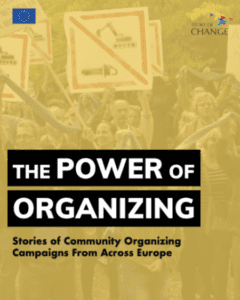
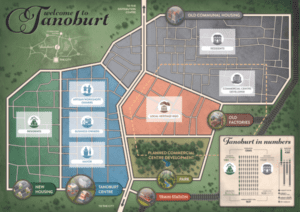
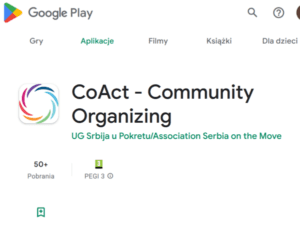
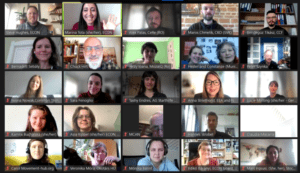
In this project ECON with five member organisations from Poland, Romania, Serbia, Slovakia and Hungary were engaged in a Partcipatory Action Research process where they documented the stories and organizing practices of campaigns with local groups and communities on different issues and learned how to use storytelling and public narrative in their organizing practice with their communities. This is part of ECON’s contribution to documenting and sharing the history and practices of community organizing in Europe, and expanding the know-how on organizing from Europe, as so far it had been mostly based on practices from the US.
Who is it for?
The project aimed at organizing community organizers, volunteers, and community members engaged with ECON member organizations from Poland, Slovakia, Hungary, Serbia, Romania.
Outcomes
- A publication: ;“The Power of Organizing: Stories of Community Organizing Campaigns from Across Europe”. This publication makes the case for organizing as a strategy for bottom-up systemic change with ten case studies of different campaigns, and main lessons learned. The publication is available in pdf format in Polish, English, Serbian, Romanian, Hungarian and Slovak
- A simulation game: “Let’s Organize! In Search of Social Justice”. This simulation game enables participants to learn and practice community organizing through a game format. Participants aregiven a scenario and organizing tasks and can take different strategies and action patterns, making decisions, making mistakes and learning through experience. The simulation can be used as educational material in organizing workshops and trainings.
- An application: “CoAct – Community Organizing”. This mobile application guides users through the steps of community organizing and enables them to learn in an interactive way about organizing and about other organizations. The application can be downloaded for free from the Google Play store in various languages.
Story of Change – School of Active Citizenship
Community organizing is an approach that empowers citizens to take collective action on the issues in their context. So far, most of the organizing know-how has been based on good practices from the US. In the past years, the European Community Organizing Network (ECON) has been supporting the development and documentation of organizing practices and experiences in Europe together with member organisations in Poland, Romania, Serbia, Slovakia and Hungary that use organizing in their work with groups and communities. This project is an example of documenting and developing organizing practices in Europe.
PERIOD
2019-2022
PARTNERS
ECON, Common Thing Foundation/Poland, CKO/Slovakia, CeRe/Romania, Serbia on the Move/Serbia, CKA/Hungary.
TARGET GROUP
The direct target group was community organizers and organizers and volunteers from Poland, Slovakia, Hungary, Serbia, Romania. The indirect group consisted of disadvantaged communities supported on a daily basis by partner organizations.
KEY ACTIVITIES
Trainings
Through offline (in Hungary and Serbia) and online trainings, individuals supporting local groups and communities increased their competencies in topics such as engaging people in times of crisis, organizing centered around a chosen social theme, and the power of public narrative.
Publication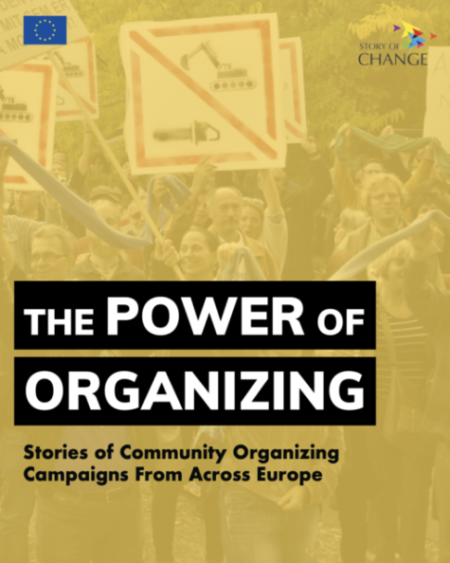
The publication “The Power of Community Organizing: Stories of Citizen Campaign Groups and Community Organizing in Europe” shows why organizing is an effective approach that leads to systemic change. In the study, partners share reflections from their work and examples of implemented civic campaigns. The publication is available in pdf format in Polish, English, Serbian, Romanian, Hungarian and Slovak
Download publication – ENGLISH | POLISH | HUNGARIAN | SLOVAK | ROMANIAN | SERBIAN
This work is licensed under a Creative Commons Attribution 4.0 International License.
Simulation
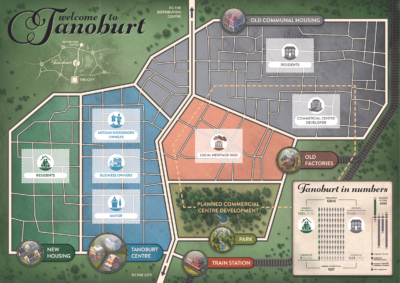
As part of the project, partners created an innovative simulation, “Let’s Organize! In Search of Social Justice” that presents community organizing in an attractive and accessible way. The tool provides an environment for safely testing different strategies and action patterns, making decisions, making mistakes and learning through experience. The simulation is used in workshops and activities with residents.
Download simulation
This work is licensed under a Creative Commons Attribution 4.0 International License.
Mobile Application
Another result developed as part of the partnership was the “CoAct – Community Organizing” app, which guides through the various steps of community organizing. Thanks to this tool, users will learn what this approach is and how they can solve important issues for their community, as well as learn about organizations with a similar profile. The application is free and you can download it from the Google Play store (various language versions are also available).
Download application
Thanks to the project
- The competencies of educators working particularly with disadvantaged groups and communities have been raised;
- Community organizers and volunteers obtained an innovative educational tool enabling them to present organizing in an attractive, understandable and accessible way;
- Partners shared their know-how on organizing and received inspiration for further work in this area.
Get in touch
If you are interested in being part of the programme and in the process, please contact us at organizing.europe@gmail.com
[/fusion_tab][/fusion_tabs][/fusion_builder_column][/fusion_builder_row][/fusion_builder_container][fusion_builder_container hundred_percent=”no” hundred_percent_height=”no” hundred_percent_height_scroll=”no” hundred_percent_height_center_content=”yes” equal_height_columns=”no” hide_on_mobile=”small-visibility,medium-visibility,large-visibility” status=”published” background_position=”center center” background_repeat=”no-repeat” fade=”no” background_parallax=”none” enable_mobile=”no” parallax_speed=”0.3″ video_aspect_ratio=”16:9″ video_loop=”yes” video_mute=”yes” border_style=”solid” type=”legacy” admin_toggled=”yes”][fusion_builder_row][fusion_builder_column type=”1_1″ type=”1_1″ layout=”1_1″ center_content=”no” target=”_self” hide_on_mobile=”small-visibility,medium-visibility,large-visibility” background_position=”left top” background_repeat=”no-repeat” hover_type=”none” border_style=”solid” border_position=”all” box_shadow=”no” box_shadow_blur=”0″ box_shadow_spread=”0″ animation_direction=”left” animation_speed=”0.3″ first=”true” last=”true” border_sizes_top=”0″ border_sizes_bottom=”0″ border_sizes_left=”0″ border_sizes_right=”0″ min_height=”” link=””][fusion_text rule_style=”default” hide_on_mobile=”small-visibility,medium-visibility,large-visibility” animation_direction=”left” animation_speed=”0.3″]
Organizing convenings
Bringing organizers together to develop their strategic practice
[/fusion_text][/fusion_builder_column][/fusion_builder_row][/fusion_builder_container][fusion_builder_container hundred_percent=”no” hundred_percent_height=”no” hundred_percent_height_scroll=”no” hundred_percent_height_center_content=”yes” equal_height_columns=”no” hide_on_mobile=”small-visibility,medium-visibility,large-visibility” status=”published” background_position=”center center” background_repeat=”no-repeat” fade=”no” background_parallax=”none” enable_mobile=”no” parallax_speed=”0.3″ video_aspect_ratio=”16:9″ video_loop=”yes” video_mute=”yes” border_style=”solid” type=”legacy” admin_toggled=”yes”][fusion_builder_row][fusion_builder_column type=”1_1″ type=”1_1″ layout=”1_1″ center_content=”no” target=”_self” hide_on_mobile=”small-visibility,medium-visibility,large-visibility” background_position=”left top” background_repeat=”no-repeat” hover_type=”none” border_style=”solid” border_position=”all” box_shadow=”no” box_shadow_blur=”0″ box_shadow_spread=”0″ animation_direction=”left” animation_speed=”0.3″ first=”true” last=”true” border_sizes_top=”0″ border_sizes_bottom=”0″ border_sizes_left=”0″ border_sizes_right=”0″ min_height=”” link=””][fusion_separator style_type=”single solid” hide_on_mobile=”small-visibility,medium-visibility,large-visibility” sep_color=”var(–awb-custom_color_3)” bottom_margin=”50″ width=”206px” alignment=”center” /][fusion_tabs design=”clean” layout=”vertical” justified=”yes” backgroundcolor=”var(–awb-custom_color_1)” inactivecolor=”var(–awb-custom_color_3)” hide_on_mobile=”small-visibility,medium-visibility,large-visibility”][fusion_tab title=”ECON Member Assembly”]
ECON Member Assembly
Each year the members of ECON gather for a combination of exchange, training, and organizational decision-making.
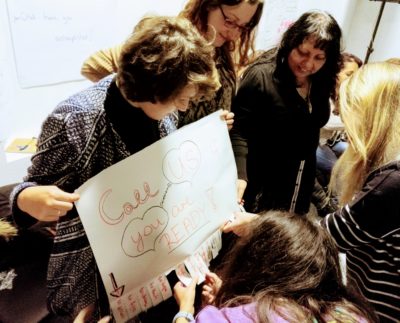
As a gathering of organizers, for organizers, the Assembly is a space where ECON members can dig deep into the specific questions that shape or craft, and to develop the capacities of our network to achieve ever-more ambitious goals.
Past assemblies have featured trainings on scaling-up our organizing, fundraising, political action, and incorporating anti-racist practice into our work. We have also used the time together to sharpen our network’s strategic focus, and to develop the outlines of a fundraising strategy to support the European community organizing sector.
[/fusion_tab][fusion_tab title=”Citizen Participation University”]
Citizen Participation University
Launched in 2009, the Citizen Participation University served as an early laboratory for the development of community organizing in Europe. But the CPU is also a space where the work of community organizers intersects with a broader array of movement leaders and activists.
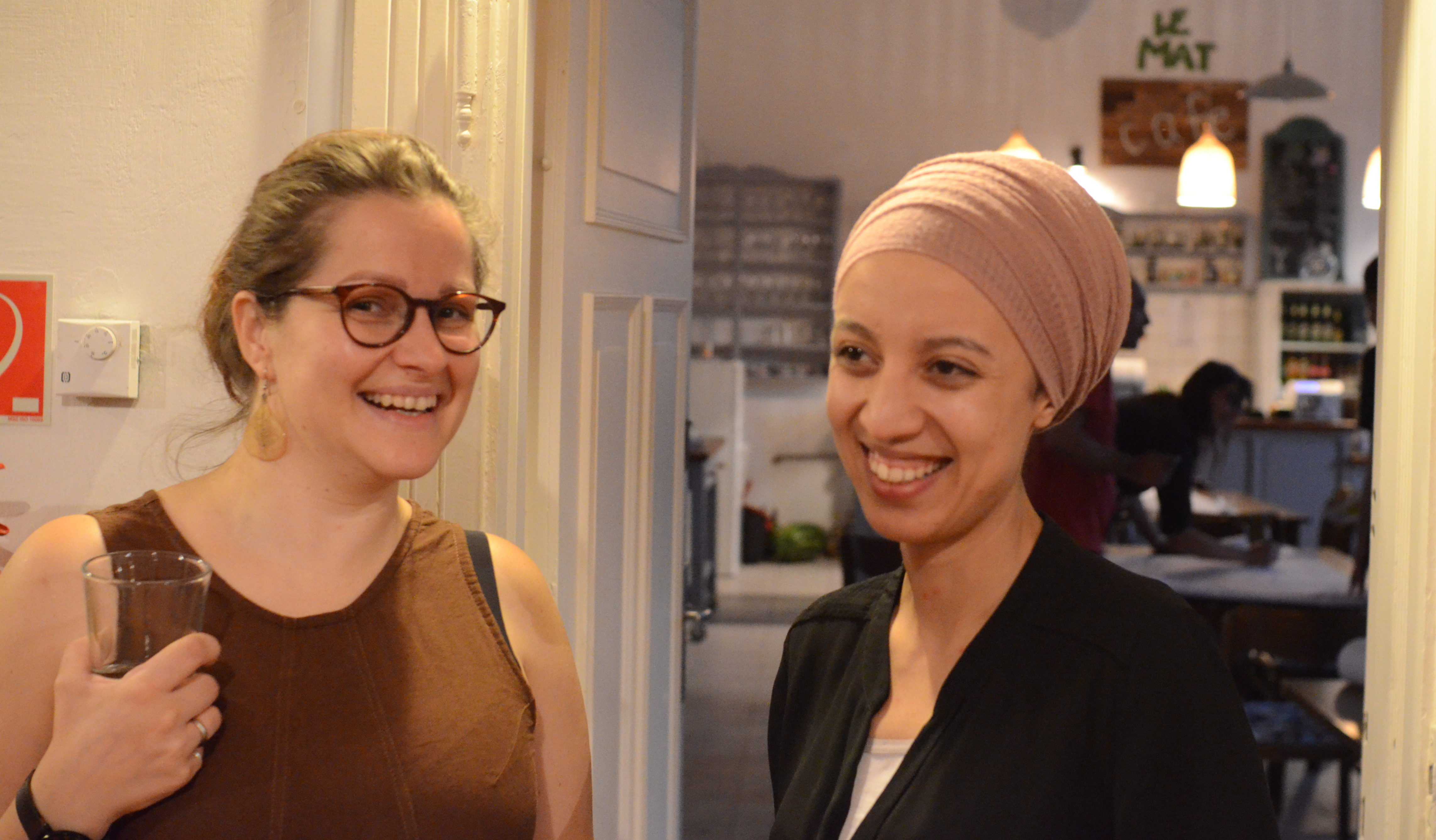 ECON plays a key convening role in this event which takes place each year at a training facility in rural Hungary. The week-long gathering regularly brings together over 70 civil society actors from more than a dozen countries.
The CPU is a space where Moldovan street protesters connect with Belgian community development workers, where Croation and Spanish municipalists cross pollinate with Polish and Hungarian political activists. It is where big-picture digital campaigners hatch plans with community organizers working in local neighborhoods.
The CPU has a documented track record of nurturing and amplifying civil society forces, especially in Central and Eastern Europe. As an event infused with art and joy, the CPU is a critical piece of movement building infrastructure–in a region of Europe with far too few institutions of this sort.
[/fusion_tab][fusion_tab title=”Donor Forum”]
The Donor Forum is a convening space for dialogue and relationship building between donors and organizers on the challenges and opportunities that exist to make more and better resources available to the community organizing movement in Europe. It is a space to share experiences and lessons learned of organizing and funding organizing, to understand community organizing and its role in developing the desire and skills of local communities to lead struggles for systemic change. It is a space to have frank and strategic conversations on the needs, challenges, and opportunities of organizing to scale up and broaden movements for social and environmental justice in Europe.
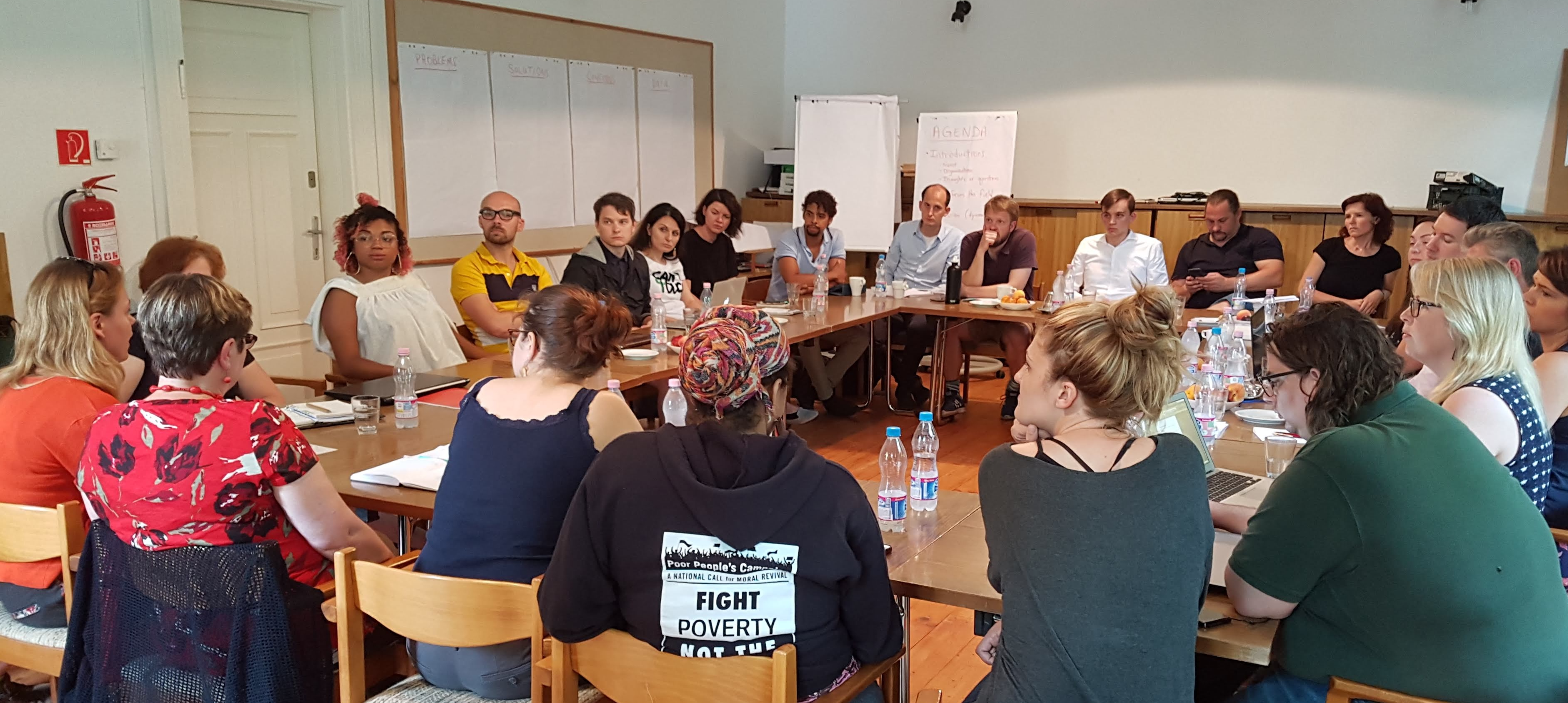
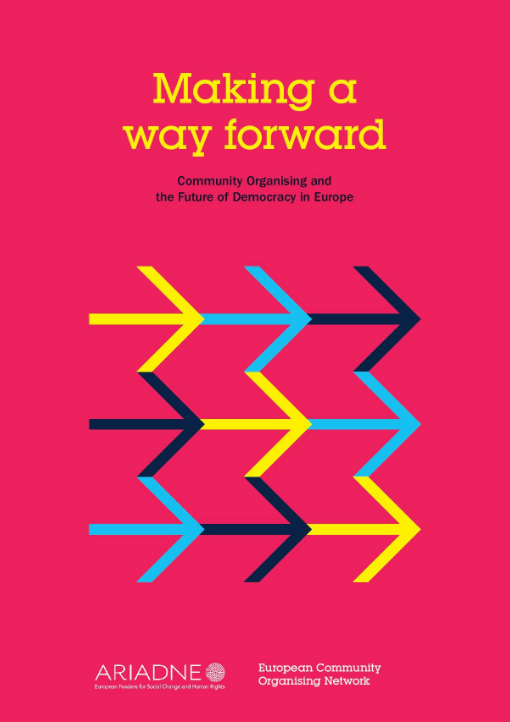
Donor forums usually spark new ideas, initiatives and possible areas for further collaboration. One of the Donor forums in the spring of 2019 inspired the development and released a study by ECON together with its partner the Ariadne Network of human rights funders titled Making a Way Forward: Community Organizing and the Future of Democracy in Europe. The study interviewed funders already working in the community organizing space, shared case studies of the impact community organizing can have, and made a set of concrete recommendations aimed at supporting a more robust community organizing sector in Europe.
[/fusion_tab][fusion_tab title=”Trainings & Research”]
Mentorship and trainings
Learning the craft of organizing can take many forms, but it almost always involves a combination of theoretical learning and hands-on practice.
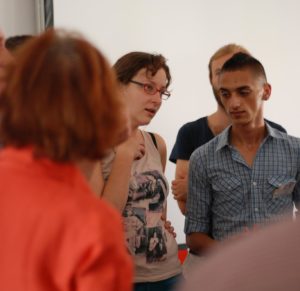
ECON takes an open, experimental approach to learning the craft of organizing. We create training and mentorship opportunities for both new and experienced organizers, and support peer-to-peer learning, mentorship, and exchange.
Ultimately, the goal is not to mimic forms community organizing that were developed in different times, places, and conditions. Rather we seek to create a culture of learning and rigor that allows organizers in the field to adapt and evolve the practice of community organizing within the European context.
[/fusion_tab][/fusion_tabs][/fusion_builder_column][/fusion_builder_row][/fusion_builder_container][fusion_builder_container hundred_percent=”no” hundred_percent_height=”no” hundred_percent_height_scroll=”no” hundred_percent_height_center_content=”yes” equal_height_columns=”no” hide_on_mobile=”small-visibility,medium-visibility,large-visibility” status=”published” border_style=”solid” gradient_start_position=”0″ gradient_end_position=”100″ gradient_type=”linear” radial_direction=”center center” linear_angle=”180″ background_position=”center center” background_repeat=”no-repeat” fade=”no” background_parallax=”none” enable_mobile=”no” parallax_speed=”0.3″ background_blend_mode=”none” video_aspect_ratio=”16:9″ video_loop=”yes” video_mute=”yes” filter_hue=”0″ filter_saturation=”100″ filter_brightness=”100″ filter_contrast=”100″ filter_invert=”0″ filter_sepia=”0″ filter_opacity=”100″ filter_blur=”0″ filter_hue_hover=”0″ filter_saturation_hover=”100″ filter_brightness_hover=”100″ filter_contrast_hover=”100″ filter_invert_hover=”0″ filter_sepia_hover=”0″ filter_opacity_hover=”100″ filter_blur_hover=”0″ flex_column_spacing=”0px” type=”legacy” admin_toggled=”yes”][fusion_builder_row][fusion_builder_column type=”1_1″ type=”1_1″ layout=”1_1″ center_content=”no” target=”_self” hide_on_mobile=”small-visibility,medium-visibility,large-visibility” hover_type=”none” border_style=”solid” border_position=”all” box_shadow=”no” box_shadow_blur=”0″ box_shadow_spread=”0″ background_type=”single” gradient_start_position=”0″ gradient_end_position=”100″ gradient_type=”linear” radial_direction=”center center” linear_angle=”180″ background_position=”left top” background_repeat=”no-repeat” background_blend_mode=”none” animation_direction=”left” animation_speed=”0.3″ filter_type=”regular” filter_hue=”0″ filter_saturation=”100″ filter_brightness=”100″ filter_contrast=”100″ filter_invert=”0″ filter_sepia=”0″ filter_opacity=”100″ filter_blur=”0″ filter_hue_hover=”0″ filter_saturation_hover=”100″ filter_brightness_hover=”100″ filter_contrast_hover=”100″ filter_invert_hover=”0″ filter_sepia_hover=”0″ filter_opacity_hover=”100″ filter_blur_hover=”0″ last=”true” border_sizes_top=”0px” border_sizes_bottom=”0px” border_sizes_left=”0px” border_sizes_right=”0px” first=”true” min_height=”” link=””][fusion_text rule_style=”default” hide_on_mobile=”small-visibility,medium-visibility,large-visibility” animation_direction=”left” animation_speed=”0.3″]
Organizing Trainings
[/fusion_text][fusion_separator style_type=”single solid” hide_on_mobile=”small-visibility,medium-visibility,large-visibility” sep_color=”var(–awb-custom_color_3)” bottom_margin=”50″ width=”206px” alignment=”center” /][fusion_tabs design=”clean” layout=”vertical” justified=”yes” backgroundcolor=”var(–awb-custom_color_1)” inactivecolor=”var(–awb-custom_color_3)” hide_on_mobile=”small-visibility,medium-visibility,large-visibility”][fusion_tab title=”Trainings & Research”]
Mentorship and trainings
Learning the craft of organizing can take many forms, but it almost always involves a combination of theoretical learning and hands-on practice.
ECON takes an open, experimental approach to learning the craft of organizing. We create training and mentorship opportunities for both new and experienced organizers, and support peer-to-peer learning, mentorship, and exchange.
Ultimately, the goal is not to mimic forms community organizing that were developed in different times, places, and conditions. Rather we seek to create a culture of learning and rigor that allows organizers in the field to adapt and evolve the practice of community organizing within the European context.
[/fusion_tab][fusion_tab title=”Movement Learning Catalyst”]
Movement Learning Catalyst
A training and action learning programme strengthening the ecology of social movements and enhancing capacity for transversal and transnational organising. This programme aims to respond to the key challenges movements and organisations are facing in Europe, from fragmentation, persistent divisions within and between movements, and a lack of movement capacity for longer-term and coherent strategy. It aims to nurture the interconnected movements and responsive strategies needed to challenge the interlocking systems of oppression we face today. Combining high quality training, an action learning framework, and cross organisational and movement networking, the programme will enable movements to find new and transformative ways of working across our differences, develop competencies for transversal and transnational organizing to connect across issues, communities, and socio-political cultures – supporting the building of the kinds of impactful social movement alliances required to achieve the depth of structural transformation we need today.
Objectives:
-
Bring together experienced trainers and organiser/activists to work on key movement building themes and issues using a well-crafted framework for ongoing action learning, coaching, and peer-to-peer inquiry
-
Develop collective capacity for long-term strategic projects that can respond to crisis and change
-
Build relationships within the learning space across organisations and movements, seeding new transversal and transnational initiatives
-
Embed action-reflection learning within movement practices in a well-crafted framework of collaborative enquiry.
Key themes
The programme is more than a training. It is designed as a transversal movement building project – connecting different struggles and communities across issues, strategic approaches, and localities. The course places action-learning, deep ongoing reflection, and building solidarity-based relationships at its core.
-
Transnational organizing and movement building across geographies, countries, cultures.
-
Transversal organizing and movement building across different movement issues and organising traditions
-
Social movements and social change: Understanding movement histories, case studies, political analysis, reflection and learning in movements
-
Solidarity and alliance building between organisations and movements: Intersectional practices, anti-oppression, psycho-social resilience and sustainability
-
Strategy in complex and changing contexts: Strategy and complexity, power analysis, strategic orientations to crisis.
Learning activities
This programme will be designed with you and tailored to your context and needs. It starts from the challenges your movement or organisation is facing related to transversal and/or transnational organising in a specific project or initiative. You will be able to select among multiple learning components and resources online and offline to support your learning needs. These include:
-
Action Learning Accompaniment: We will provide a structured action-learning process including elements of research support, action-reflection circles, and coaching.
-
On-line Modular Curriculum and Seminars: Online seminars or workshops on different topics with live and asynchronous elements. You could select the ones relevant to your needs.
-
International Residential Trainings: We will offer in-person residential trainings connected to Ulex Project’s Ecology of Social Movements training.
-
Regional Gatherings: We will offer in-person learning opportunities through short regional gatherings based on the geographical spread of participants.
-
Peer-to-Peer Learning Circles: We will create circles of 5-6 participants and provide a structured space for ongoing inquiry and reflection into live issues and current practice using a peer coaching method and a forum space.
-
Visits: We will support participants to visit each other in different settings to get a clearer sense of diverse working contexts and cultures.
-
Personal Mentoring: We’ll offer one-to-one mentoring where requested, with regular check-ins, either in person regionally or virtually.
Who is it for?
The programme is for a group of 40-60 experienced activists, organisers, and trainers based in Europe who have substantial personal history of social movement engagement and experience to share with each other; are embedded in organisations or networks that can benefit from thinking strategically about their place in social movements, and well placed to bring new learning back to their organisations or movements, recognise the importance of developing our capabilities to organise transversally and transnationally, across multiple forms of difference within and between our movementsl care about developing social movement alliances on a scale capable of winning.
Partners:
The programme is run in partnership between the European Community Organising Network, the Ulex Project, the National University of Ireland Maynooth, and European Alternatives. We will draw on the pool of trainers connected with these organisations to provide training elements, action learning facilitation, and accompaniment/mentorship.
Resources:
More resources about this learning programme can be found at https://movementlearning.org/
PERIOD
2022-2024
PARTNERS
European Alternatives/France, Ulex Project/Spain, Maynooth University/Ireland
TARGET GROUP
Adult educators, community educators, and educators trainers, community organizers, and activists.
OBJECTIVES
- To generate knowledge and scalable resources enabling the acquisition of new competences amongst adult educators seeking to motivate and empower civil society and active citizens with skills and perspectives for transnational initiatives.
- To improve the quality and reach of relevant adult education through development of a competence and learning framework, innovative curriculum, and digital learning resources that address the learning needs among active citizens and civil society to better take action across diverse cultures and contexts, and to increase their capacity for transversal and intersectional community led initiatives.
- To innovate learning methods and frameworks that support active democratic citizenship, using peer-learning and communities of practice, and to share these innovations for sector wide impact.
KEY ACTIVITIES
- Research and report on transnational and transversal organizing
- Competence and learning framework
- Modular curriculum and trainer guide
- Digital and blended learning accelerator
- Year-long training programme – Peer2Peer action learning
Get in touch
If you are interested in being part of the programme and in the process, please contact us at organizing.europe@gmail.com
[/fusion_tab][/fusion_tabs][/fusion_builder_column][/fusion_builder_row][/fusion_builder_container]